
Latest innovations in EMR software are making a practical difference in US healthcare. Gone are the days when EHR systems were only digital storage hubs. Now, their role has evolved, and providers need systems that can empower them and provide a better care experience for patients. In 2026, EMR software solutions can provide solutions to many challenges faced by healthcare. Through better interoperability, embedded AI tools, and patient-centered features, providers have a greater chance to focus on their patients and worry less about burdensome administrative duties.
AI-Powered EMR Software
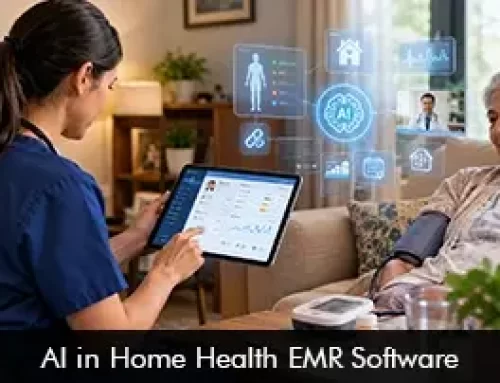
AI capabilities in electronic medical records have also evolved. In 2026, there is a greater focus on embedding AI directly into EMR software workflows rather than treating it as a separate tool. This provides quick access to AI features, and a good example is the AI-native platform by athenaOne EHR software.
Artificial Intelligence tools can be used for various purposes in the healthcare environment to take care of clinical, administrative, and financial tasks. Clinicians can leverage AI in EHR software to summarize patient information and generate documentation in a matter of seconds. On the other hand, billers can use AI tools in billing software to streamline medical billing tasks and reduce the chances of billing errors.
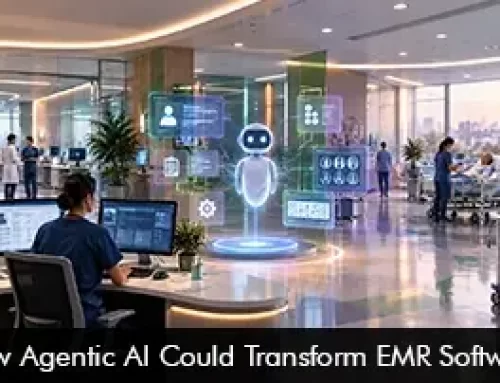
When it comes to patient communications, practical AI solutions can help automate communications. AI assistants can answer patient queries round the clock. Using assistants is a great way to keep patients engaged and can also help alleviate the load on administrative staff members, as basic communication is taken care of.
A Greater Focus on Interoperability in 2026
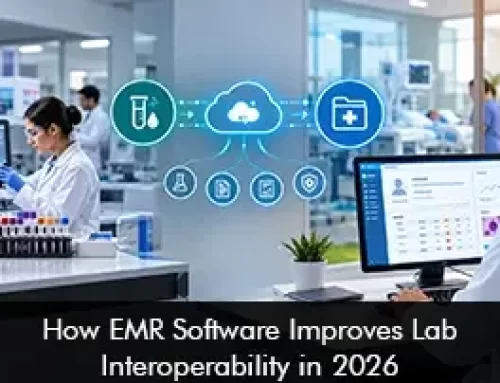
Improved EMR software interoperability is leading to more connected patient records this year. Interoperability is the backbone of healthcare, which can support smooth data transfer between systems, clinicians, and other third parties.
Government initiatives such as TEFCA and the CMS Health Technology Ecosystem are making health information more accessible through approved technology solutions. The Federal Health Office reported in early 2026 that almost 500 million patient records were exchanged via TEFCA. This reflects that nationwide health information exchanges are improving.
Ultimately, better interoperability is the driving force for enhanced care coordination and having a complete picture of the patient. Providers can feel confident about delivering high-quality patient care when there are no hitches in data exchanges and communications.
Improved Flexibility with Cloud-Based EMR Software
Cloud-based EMR software solutions have gained popularity over the years. These systems, as compared to on-premise solutions, are simple to manage and offer better connectivity and even better security. Cloud-based software vendors provide automatic updates and maintain security protocols. Independent practices, outpatient clinics, and healthcare organizations with many locations can benefit from cloud-based EHR software. Cloud-based systems can support growth goals and help providers stay on schedule without being tied to their desks.
Proactive and Personalized Care with EMR Software
Upgraded functionalities in EMR software can play a vital role in helping providers identify patients or information that may need more attention. Often powered by AI, CDS tools can flag potential drug interactions to improve patient safety. Powerful functionalities in modern EMR systems may even remind clinicians about preventive screenings, pending patient follow-ups, and missing information.
What can we predict about the future of EHR software?
With continuous improvements in technology innovations, the future of EMR software looks bright. We can expect AI assistants to take a broader role in healthcare. However, this doesn’t mean that human judgment will be eliminated. These capabilities can further ease the chances of burnout and keep cognitive stress at bay. As FHIR connections continue to strengthen, smooth and seamless data exchanges can lead to uninterrupted patient care.
These innovations in EMR systems are providing practical solutions to everyday challenges faced by healthcare providers. The features should be utilized responsibly, and providers should also keep track of their efficacy in terms of performance and results.